

- The official reason why the platform has been closed
- Unprofessional management
- Illegal connections
- A lesson for startups
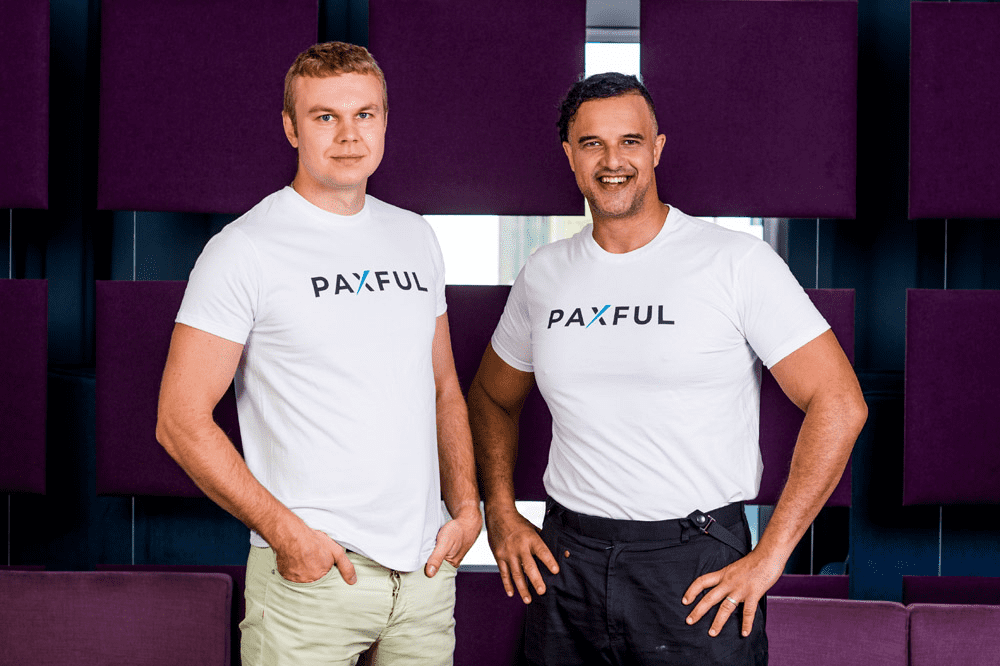
Ray Youssef and Artur Schaback, the co-founders of Paxful, a global peer-to-peer platform for buying and selling digital currencies, continue arguing. The fintech platform was founded in 2015. By 2023, it employed over 200 people in four offices around the world. According to court documents, more than $5 billion has been traded on Paxful by over 12 million users.
The official reason why the platform has been closed
On April 4, Paxful announced that it would shut down. The company’s co-founder and CEO Ray Youssef said that the company had faced “key staff departures” and “regulatory challenges.” However, both he and Ray Schaback acknowledge that the actual reason of the company’s meltdown is their poor relationship. The two co-founders are currently suing each other in a series of legal disputes.
Unprofessional management
Former employees claim that Paxful had long suffered from management mistakes, including favoritism, chaotic dismissals, excessive travel spending, and even the use of cannabis by Ray Youssef.
Schaback co-founded Paxful, owned 50% of its Class B shares and served as its chief operating officer (COO). Currently, he is suing Youssef in Delaware Chancery Court, claiming that the other co-founder limited his access to company resources and information while he was on parental leave and accusing Youssef and other managers of plundering the company budget.
“Mr. Youssef took unilateral action to permanently shut down Paxful. His plan has been going for the better part of 15 months, but thanks to our civil proceedings in the United States, his plan was discovered and thwarted,” said Schaback.
Youssef, on the other hand, has claimed that Schaback was dismissed for “incompetence and bad behavior” and that Schaback’s lawsuit had facilitated the decision to shut down.
“It was clear to everyone at the company that Schaback did not have any understanding of what a COO was supposed to do,” Youssef’s lawyers stated in a March 17 filing in the Delaware case.
According to Schaback, Paxful is still a viable enterprise. He asked the courts to appoint a custodian who could assume control of the company’s assets. Both co-founders confirmed on April 7 that a custodian had indeed been appointed in a hearing the day before, even though there is little additional information.
Illegal connections
In his lawsuit, Schaback even accused Youssef of “an illegal plan to avoid international sanctions on transactions into and out of Russia.”
Youssef allegedly transferred large sums in bitcoin to Russian entities affiliated with Paxful and established “Dekslektika” — a new entity for Paxful’s employees and operations in Russia. The organizations were managed by two individuals not related to Paxful.

“Youssef and his cohorts conceived of and formed Dekslektika as part of an illegal plan to avoid international sanctions on transactions into and out of Russia,” Schaback said. He claimed that his partners had planned to allow illegal bitcoin transfers to and out of Russia while avoiding sanction violations. Youssef denies that.
A lesson for startups
The main problem was the company’s duarchy.
“Paxful has a two-member board, and Youssef and Schaback have served as Paxful’s two directors since the company’s founding. There is a two-thirds director vote requirement for the board to act. Thus, as Youssef and Schaback are Paxful’s only directors, both directors must vote in favor of an action presented for board approval for it to be valid,” Youssef stated in the Delaware case.
The following conclusion has been made: “Youssef and Schaback are therefore on the road to being hopelessly deadlocked as Class B stockholders and co-directors regarding the proper course of action for Paxful.”

Our Bitcoin mixer publishes a weekly roundup
of interesting news from the world of cryptocurrencies.
Visit our blog: Mixer.money