

- After leaving the U.S., Binance ceases operations in Canada
- An influx of venture capital funding in the EU
The problems associated with crypto regulation are affecting U.S. customers most of all. They are losing access to markets and exchanges, with regulatory authorities acting under the pretext of protecting customers. The most progressive continent has unexpectedly demonstrated narrow-mindedness when it comes to the new financial reality.
After leaving the U.S., Binance ceases operations in Canada
Binance decided to cease operations in Canada due to new investor limits. In February, the Canadian Securities Administrators (CSA) issued new regulations that required all crypto platforms operating in the region to register or withdraw from the market. The companies that decide to register with the regulators would have to comply with stricter standards on stablecoin approvals, for example, obtain CSA approvals.
At the same time, the U.S. Department of Justice and Internal Revenue Service have been investigating Binance over alleged tax evasion since 2021. The Department of Justice is also conducting an inquiry into whether Binance allows customers to access the exchange in violation of U.S. sanctions against Russian financial institutions. In March 2023, the Commodity Futures Trading Commission accused Binance of knowingly offering unregistered crypto derivates.
In March, the exchange’s Canadian branch began its registration process, but because of the regulatory crackdown in the U.S. it decided not to take risks and announced that it would leave the Canadian marketplace as well. The company has also stated that it hopes for a “thoughtful, comprehensive regulatory framework” to be developed in Canada.
An influx of venture capital funding in the EU
In the meantime, the EU is getting ready to adopt the regulatory framework known as Markets in Crypto Assets (MiCA). It was approved earlier this year and will likely be adopted in July.
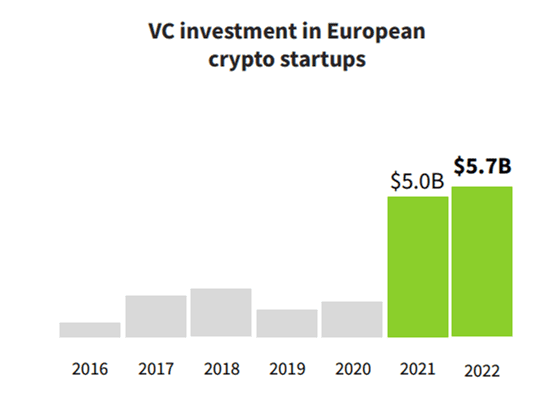
Patrick Hansen, the EU Strategy & Policy Director at stablecoin issuer Circle, commented that venture capital investment into European crypto projects has increased almost ten times over the last year. The influx can be attributed to new European legislation, including MiCA. Hansen published a PitchBook screenshot indicating that in the second quarter of 2023, Europe accounted for 48% of all venture capital investment to crypto startups. “Regulatory clarity attracts capital & entrepreneurs from around the world. Great development for crypto in Europe!” Patrick Hansen wrote.
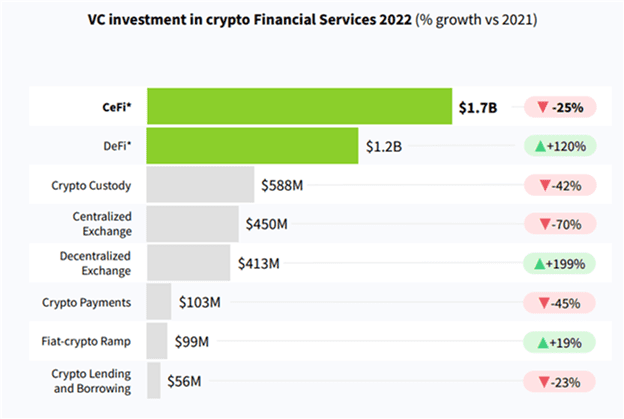
The majority of funds is invested in CeFi, although the share of DeFi surged last year. According to experts, this has been achieved by regulatory clarity.
The instability of regulatory guidance forces leading crypto companies to withdraw from the market and leaves customers in the shadow, giving them reasons to break the law. This is what is happening in the U.S. Canada seems to have chosen the same path.
