
- Art
- Collecting
- Music and audio
- Video games and virtual worlds
- Real estate and other physical assets
- Virtual land ownership
Various NFT use cases continue to excite the minds of everyone interested in cyberspace. With their concept and design, non-fungible tokens offer tremendous opportunities.
An NFT (non-fungible token) is a token that is not interchangeable, a unique digital record that cannot be counterfeited. Users cannot replace one token with another like they can with crypto. If someone exchanges one bitcoin for another, their assets remain the same, but one cannot do that with non-fungible tokens.
NFTs are often compared to concert tickets. Each ticket has its own unique characteristics (number, row, seat) and cannot be divided into components like bitcoin. In fact, an NFT is a unique, non-transferable token. Such tokens have quickly found various spheres of application.
Art
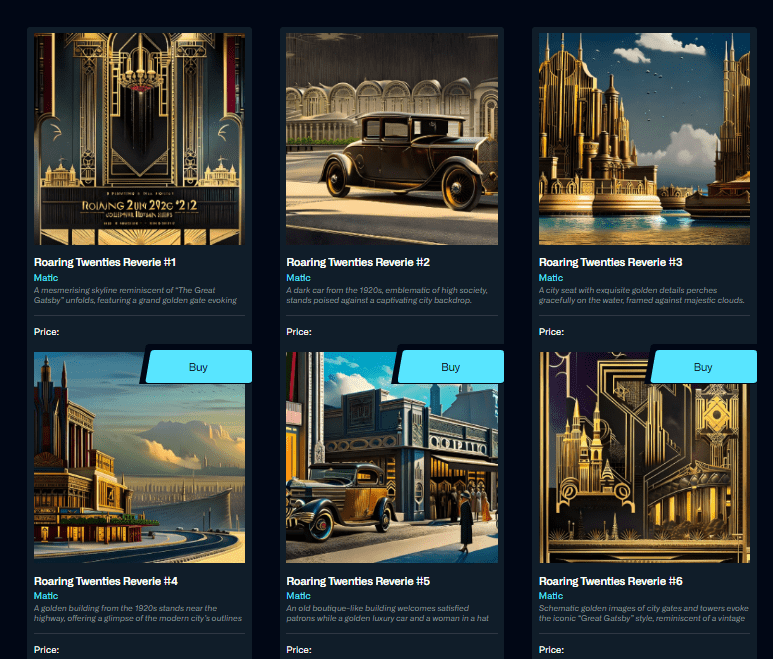
NFTs have tremendous potential in the world of art and collectibles. They allow artists to sell their unique digital works and get paid. It is possible to forge a painting but not the token that is linked to it.
Thanks to this, artists can create limited editions or even unique copies of their work, making them more valuable to collectors. Therefore, buyers can be sure that the works they purchase are authentic.
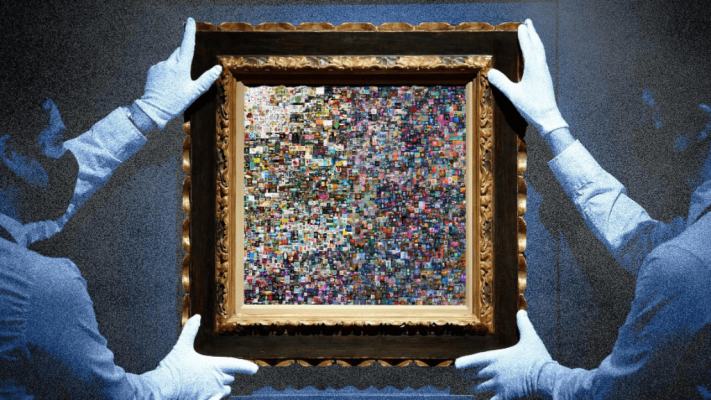
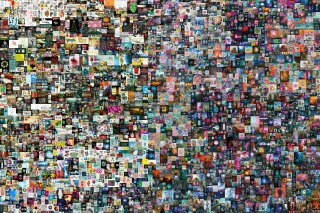
The most expensive NFT artwork ever sold was Beeple — Everyday: The First 5000 Days by the artist Mike Winkelman. The painting was sold for a record $69,346,250.
Nowadays, the use of NFT in the art world is just as relevant, as non-fungible tokens allow artists to connect directly with art connoisseurs and significantly expand their reach.
Collecting
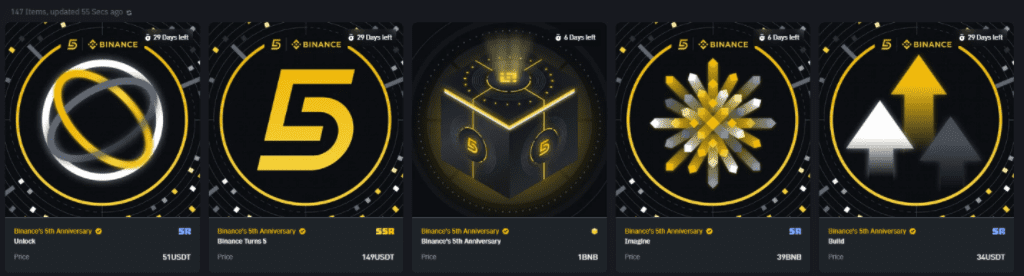
Enthusiastic collectors are willing to pay a lot for rare items. Collecting stamps and postcards has moved into the digital realm. Nowadays, NFTs are used to produce sports trading cards, tweets, and anything that can be collected. Companies are creating their own collections as a way to draw attention to their services. For example, in 2022, Binance launched the Mixery Boxes Binance 5th Anniversary collection in honor of its fifth anniversary. Every customer has a chance to win prizes. Binance has demonstrated another use for NFTs — marketing.
The first NFT collection was called CryptoKitties. Users were invited to breed digital kittens according to the rules set by the creators, to crossbreed, to create new breeds, etc. Each kitten is saved as an NFT. Players pay for certain actions, generating income for the project’s creators.
At the end of 2017, there was a lot of hype surrounding the project. Back then, users paid tens of thousands of US dollars for digital kittens, and the most expensive one cost $170,000. Now the craze has ended, and one can buy such a kitten for a few cents.
Music and audio
NFTs are also finding applications in the music industry. Musicians can create and sell unique audio files or digital albums in an NFT format. This allows them to profit directly from their music, without the participation of middlemen such as music labels. In addition, NFTs can be accompanied by certain privileges such as access to concerts or meetings with the artist, making them even more attractive for promotional campaigns.
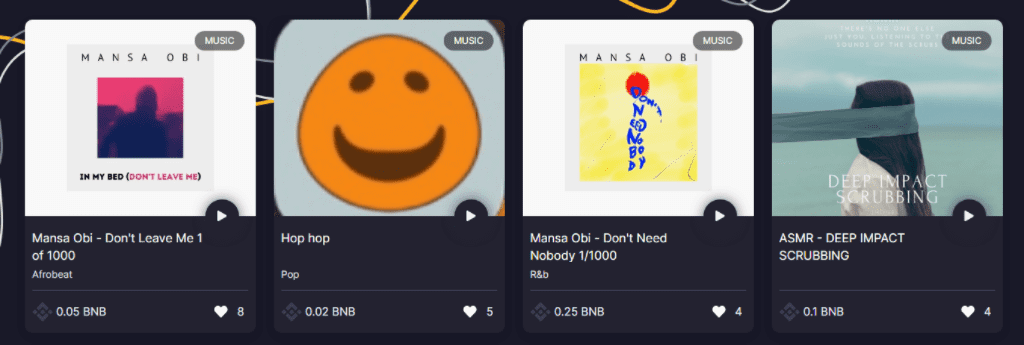
So far, the use of NFTs in the MP3 and WAV formats is a relatively small market compared to JPEGs. It is difficult for NFT music marketplaces to compete with popular streaming services. Nowadays, some well-known artists are exploring promotion in the NFT space. For example, the famous R&B singer and award-winning artist Trey Songz has presented an exclusive NFT Mystery Box on the Binance NFT Marketplace, containing new unreleased songs and unique pieces.
Video games and virtual worlds
The use of NFTs in video games seems perfectly natural. Game developers can create unique digital items, characters, or entire virtual worlds that can be bought and sold using NFTs. This allows players to have unique items or characters that cannot be tampered with or altered, and to monetize their in-game achievements.
Players often purchase digital items whose value is determined by their rarity. Microtransactions and in-game purchases have grown into a multi-billion-dollar gaming industry that can leverage NFT and blockchain technology.
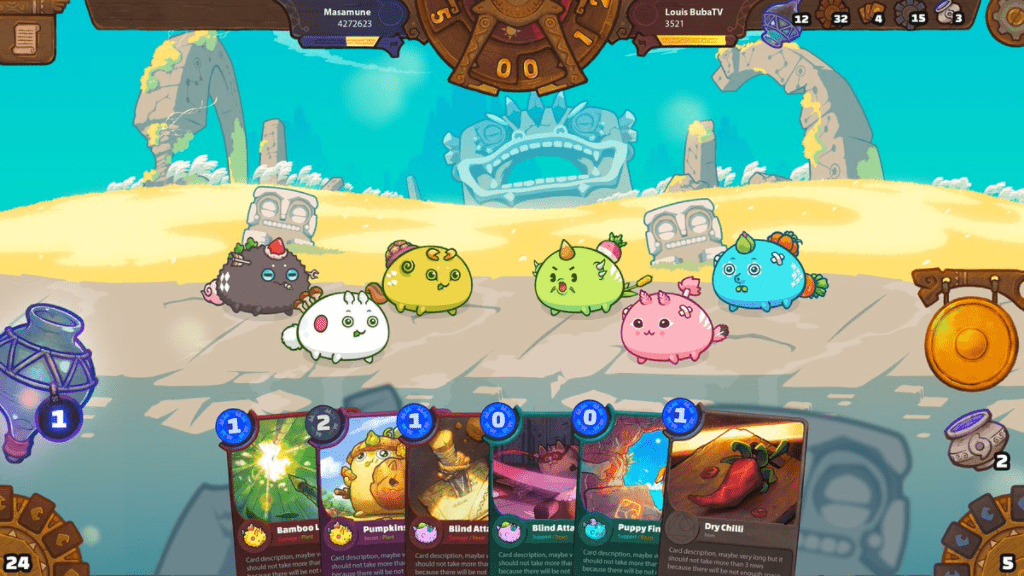
One of the most famous NFT gaming projects is Axie Infinity. This Pokémon-inspired digital universe has been around since 2018, but its popularity peaked in 2020, during the pandemic. Millions of players around the world joined the community, trying to earn money by playing the game. Each Axie character is a non-fungible token.
Real estate and other physical assets
By combining a physical asset that exists in the real world with NFTs, it is possible to obtain proof of ownership that cannot be forged or erased without destroying the blockchain system where it is stored.
An interesting example of the use of tokens is the real estate industry. In April 2021, Shane Dulgeroff created an NFT for selling a property in California. The token is stored in the form of a crypto artwork that is offered to buyers. The buyer of the artwork also gets the house. However, such a sale is not regulated legally, so the question of whether such a purchase would be legal remains open. Anyway, the sale never took place because the buyers did not want to risk dealing with such a complex problem as transferring the purchase from the digital world to the real world.
So far, regulators have not been eager to help with this issue. This NFT use case requires thorough regulation and development, but it already seems promising.
Virtual land ownership
The application of NFTs to real-world real estate transactions seems questionable due to bureaucratic hurdles, but their application in virtual universes is perfectly justified. Virtual worlds such as Decentraland or Cryptovoxels offer the ability to buy and sell virtual land plots using NFTs. This allows users to create and sell unique virtual objects or buildings on their land and generate income from renting or selling these objects.
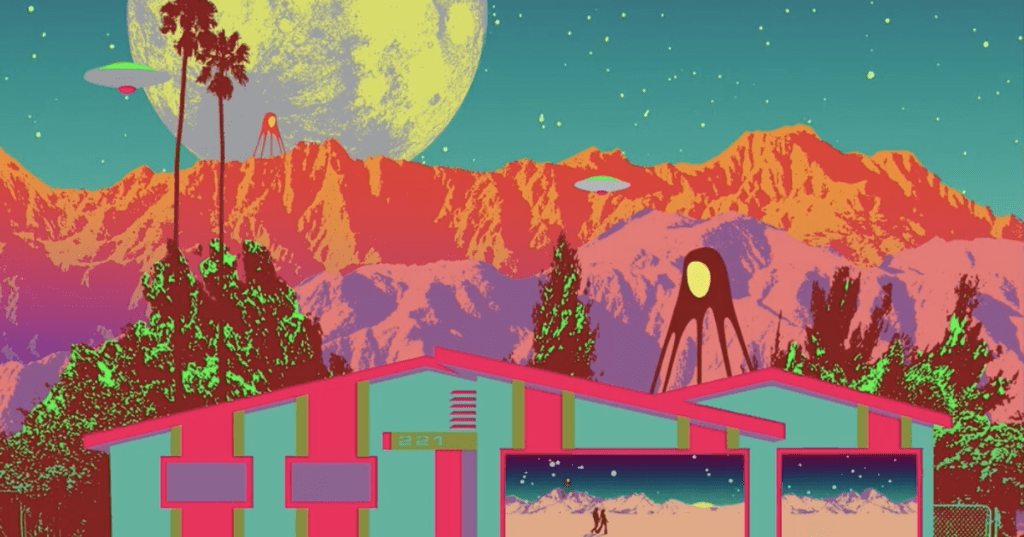
This way of using NFTs is becoming increasingly popular. People are willing to escape from their problems into virtual worlds, buying luxury homes and land for sums significantly lower than such objects would cost in real life. For example, in March 2021, the first digital house Mars House, designed by Krista Kim, was sold on the SuperRare Marketplace for 288 ether ($512,000 at the exchange rate at that time).

“I could foresee in the future that we would have digital architecture,” Ms. Kim said, where with augmented reality glasses, “people would spend times in digital homes, digital spaces.”
Nowadays, virtual worlds are being used to host concerts by famous artists, launch advertising campaigns, and set up businesses. And all of this is done through the application of NFTs. In addition, the most famous objects from the virtual world are gradually migrating into the physical world. An example of this is Andres Reisinger’s Hortensia chair.
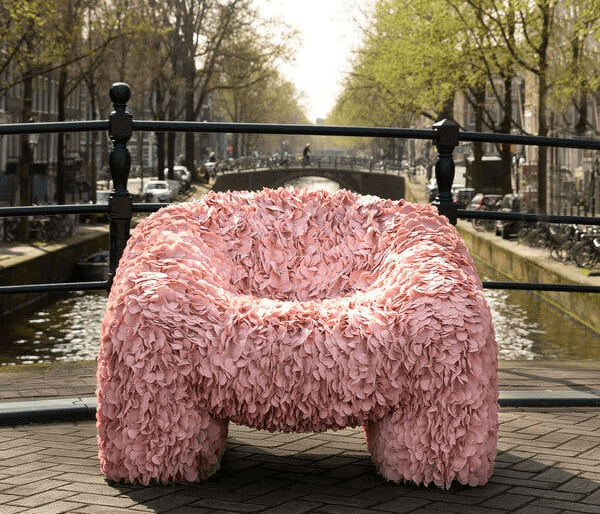
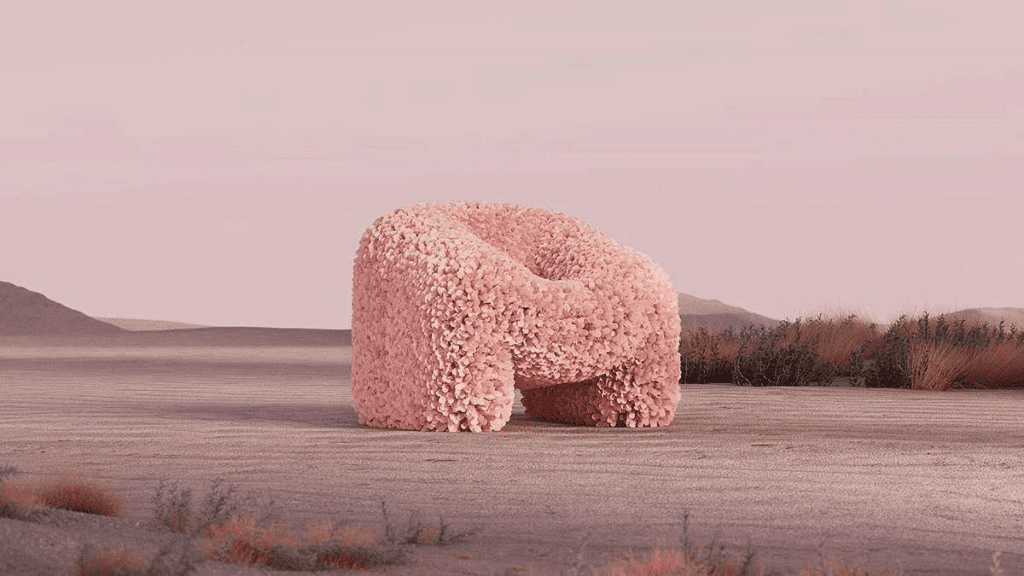
The chair was created as a virtual artwork and was met with such fanfare that it was put into production.
We can see that despite the dwindling hype around NFTs, the trend is still going strong. And in time, the application of NFTs will not only take a significant place in art but will also connect the physical and virtual worlds.
