
- Banks believe crypto to be a modern and convenient solution
- Not everyone is ready to embrace the innovations
The number of central banks planning to issue a digital currency has doubled compared to 2022. Despite the crypto winter and market turmoil, banks are still keen on the idea of issuing CBDCs.
Banks believe crypto to be a modern and convenient solution
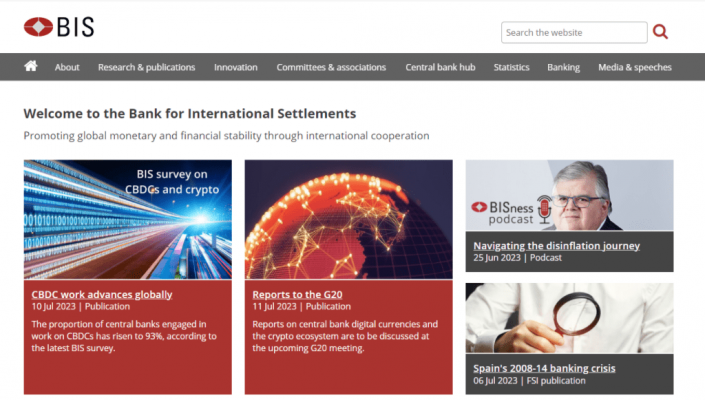
According to the Bank for International Settlements (BIS), almost a quarter of the world’s central banks are piloting a retail CBDC (Central Bank Digital Currency). By 2030, over twenty state-backed digital currencies will have been issued.
A CBDC is the digital version of the currency of a country or an international economic zone. It is issued by the central bank of such country or international organization. Such digital currencies are most similar to stablecoins, cryptocurrencies pegged to fiat currency. They have already been issued by four central banks — in the Bahamas, the Eastern Caribbean, Jamaica, and Nigeria.
Most likely, they will soon be joined by numerous other countries and international organizations. In total, there could be 15 consumer-facing retail CBDCs, and nine wholesale CBDCs (aimed at facilitating transactions between financial institutions) publicly circulating across the world by the end of this decade, both in emerging and established economies.
According to the BIS, 60% of central banks have indicated that the appearance and popularization of stablecoins and other crypto assets have accelerated their work on developing a CBDC.
Not everyone is ready to embrace the innovations
However, not all central banks believe in the prospects of a state-backed digital currency. Although 93% of the central banks surveyed are studying the potential a CBDC, many of them have stated that they are certainly not planning to issue a CBDC in the short-term perspective.
“A clear divergence has emerged: compared to last year, some central banks have become more likely to issue a retail CBDC within the next three years, while others indicated to be less likely to do so.”
A prominent example of a country that has not made a decision on this issue is the U.S. In June, a U.S. Treasury representative commented that it “has not yet determined whether it will pursue a CBDC.”
In May, Florida governor banned CBDCs in the state, describing it as “Big Brother’s digital dollar.”
