
- Key Facts About Bitcoin Payments on Marketplaces
- Who Can Pay with Bitcoin and Where
- Payment Technologies and Methods
- The Future of Bitcoin Payments on Marketplaces
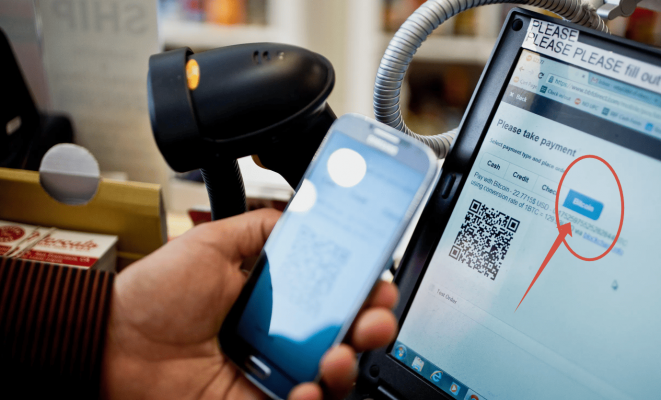
Paying with Bitcoin on online marketplaces is moving from experimentation to real-world adoption. Cryptocurrency is no longer used solely as an investment asset—it is increasingly becoming a legitimate payment method on various digital platforms across different countries. In this article, we’ll look at the key facts, the companies and regions where Bitcoin payments are already available, and the prospects for this trend.
Key Facts About Bitcoin Payments on Marketplaces
In 2025, Wildberries, the largest Russian marketplace, launched a pilot project in Belarus that allows customers to pay for goods with cryptocurrency. Payments are made through the purchase of electronic certificates denominated in the local currency (BYN). This approach avoids direct cryptocurrency transactions on the platform while still allowing users to pay with Bitcoin, Ethereum, and other digital assets. Transactions are processed via Wildberries’ partner, the crypto platform Whitebird, at the real exchange rate and without transaction fees. For now, the service is available only in test mode to a limited group of users, but expansion is planned.
On the global stage, many major marketplaces and online retailers already accept crypto, including Amazon, eBay, Overstock, Shopify, Newegg, and Rakuten. They work with payment processors like Coinbase Commerce, BitPay, and GoCoin, allowing customers to pay with BTC and other cryptocurrencies. Today, crypto payments are a common option for purchasing electronics, clothing, furniture, gift cards, and services.
Who Can Pay with Bitcoin and Where
Bitcoin payments are available in several countries with advanced crypto regulations or government-backed initiatives:
• Belarus — Wildberries pilot project
• Japan — the first country to officially recognize Bitcoin as legal tender
• USA and Canada — regulated frameworks supporting crypto payments in business
• Germany, Switzerland, Estonia, the Czech Republic, and Spain — countries with legalization and tax incentives for crypto operations
• Ukraine and the Philippines — laws regulating crypto exchanges and growing adoption in online stores
• Argentina — legal use of cryptocurrency in contracts and business transactions
In the U.S., Bitcoin payments on marketplaces are possible and already in use, but adoption is not yet widespread. It largely depends on the specific platform and the payment providers they work with. Many leading U.S. e-commerce sites use intermediaries such as Coinbase Commerce and BitPay, which process payments and convert crypto into dollars for merchants.
Regulation in the U.S. generally supports the development of such payments. Federal initiatives encourage holding and using Bitcoin in the economy. However, the IRS treats cryptocurrency as property, which means that transactions are subject to taxation and must be reported.
Payment Technologies and Methods
To pay with Bitcoin on marketplaces, users typically rely on the following tools:
• Crypto wallets (online and hardware) for storing and sending BTC
• Crypto exchanges (e.g., Binance, Coinbase) to buy and trade between fiat and crypto
• Payment processors such as BitPay and Coinbase Commerce, which integrate with marketplaces
• Crypto debit cards, which convert crypto to fiat for payments with traditional retailers
• Specialized services and certificates (e.g., Wildberries/Whitebird), which convert crypto into internal credits for transactions
The Future of Bitcoin Payments on Marketplaces
The future of cryptocurrency payments on marketplaces looks highly promising, thanks to several factors that together create favorable conditions for mass adoption.
First, user interest in cryptocurrencies continues to grow. Digital assets are gradually integrating into everyday life and becoming a common means of payment. Second, the infrastructure that supports crypto payments is expanding, while more countries are legalizing digital currencies — building a solid regulatory foundation for their use in commerce.
Lower costs for cross-border transactions and faster settlement through blockchain technology are also driving the popularity of crypto payments, enabling both marketplaces and customers to save significant time and money. Hybrid payment models are emerging that combine cryptocurrencies with traditional fiat money, making transactions more convenient and secure for end users. In addition, fintech innovation is giving rise to new services and payment gateways that simplify accepting and converting crypto, making Bitcoin and other tokens accessible to both large enterprises and small businesses.
These trends are reinforced by improvements in user experience, the expansion of payment infrastructure, and growing support from both governments and businesses. Together, they set the stage for widespread adoption of cryptocurrency payments on marketplaces in the coming years.
Still, challenges remain — including regulatory uncertainty, crypto volatility, and the need to protect users from financial risks. Yet ongoing pilot projects and integrations by major platforms show that paying with Bitcoin on marketplaces is no longer a futuristic concept. It’s becoming a reality.
