
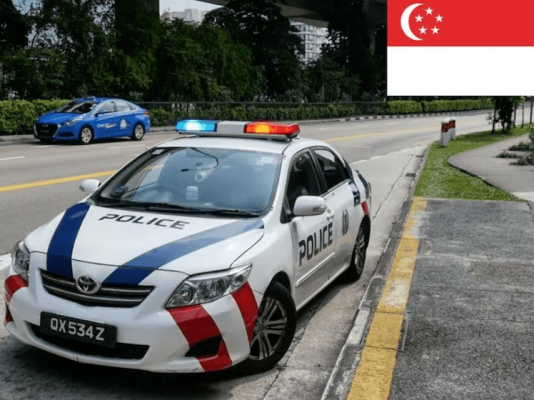
According to a report by the Singapore Police Force (SPF), ten foreigners have been charged with document forgery and money laundering. Apart from many properties, cash in the amount of over 1 billion US dollars and crypto assets have been confiscated.
“Prohibition of disposal orders were issued against 94 properties and 50 vehicles, with a total estimated value of more than $815 million.”
Singapore police has added that other assets may be seized, bank accounts may be frozen, and prohibition of disposal orders may be issued as the investigation continues. This investigation marks the largest anti-money laundering case in the country’s history. The fact that such a large-scale scheme involves crypto raises the question of whether crypto organizations pose a threat as an element of the money laundering system.
New crypto regulations
Although Singapore is Asia’s cryptocurrency hub, it does not have clear regulations on digital assets. However, recently some progress has been made. On August 15, the Monetary Authority of Singapore (MAS) presented a framework to ensure the stability of single-currency stablecoins (SCS).
According to the MAS, the framework will only apply to non-bank issuers of stablecoins pegged to a single currency, such as SGD, USD, and others. Their circulation has to exceed 5 million US dollars. There are over 25 leading stablecoins which comply with such requirements, including Tether (USDT), USD Coin (USDC), and Pax Dollar (USDP).
However, the country is yet to establish comprehensive crypto regulations which could make Singapore more appealing for service providers and investors alike.
